Programme Solutions
Turn programme commitments into coordinated delivery
Internship and workplace-learning programmes involve multiple relationships, deadlines and responsibilities. Learners, employers, colleges, funders and implementing partners need a shared understanding of what must happen and who is responsible.
A programme can have clear objectives and still encounter difficulties in execution: incomplete learner documents, delayed placements, inconsistent communication, limited employer feedback or missing reporting evidence. ATA brings practical implementation support to these delivery requirements.
Implementation planning
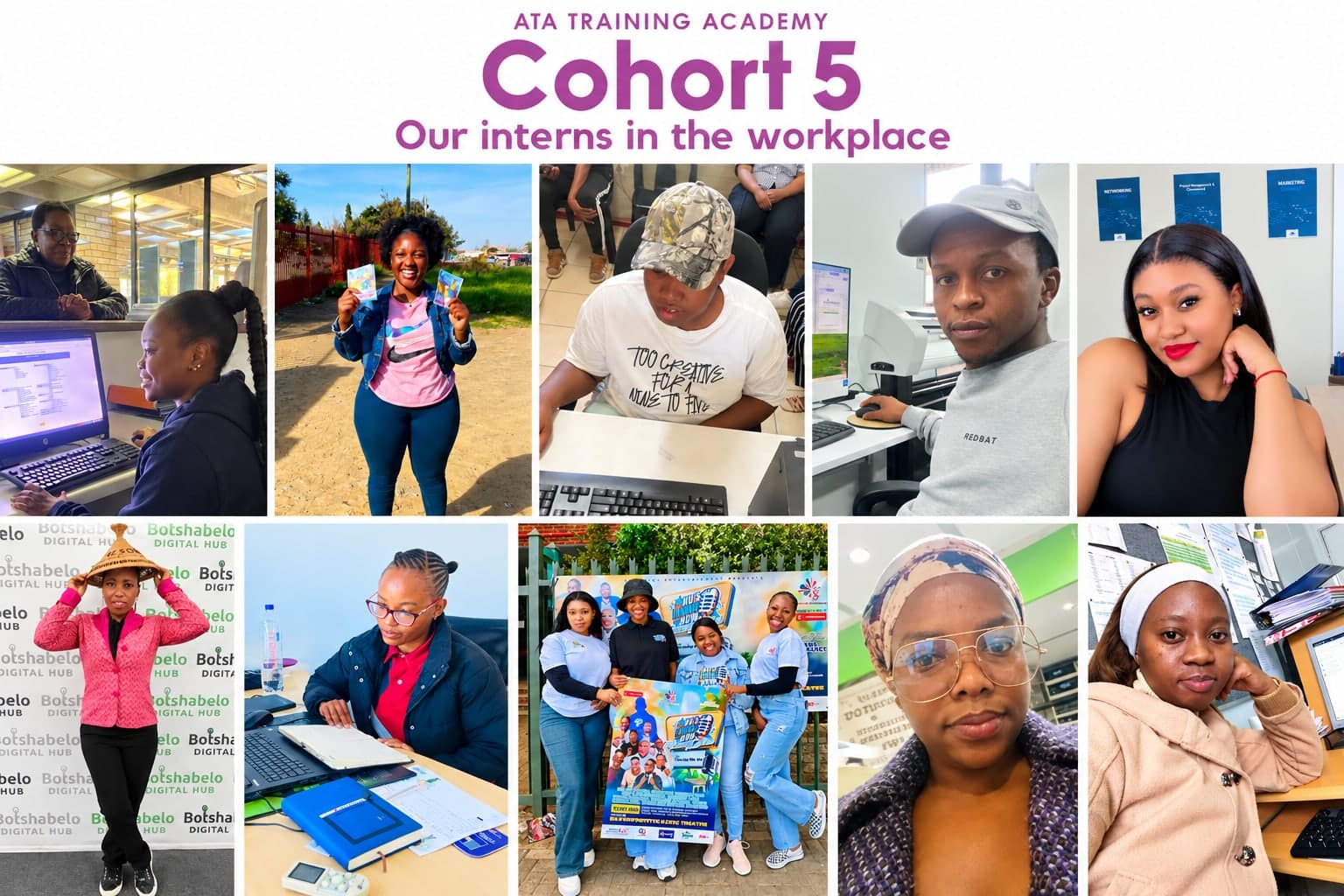
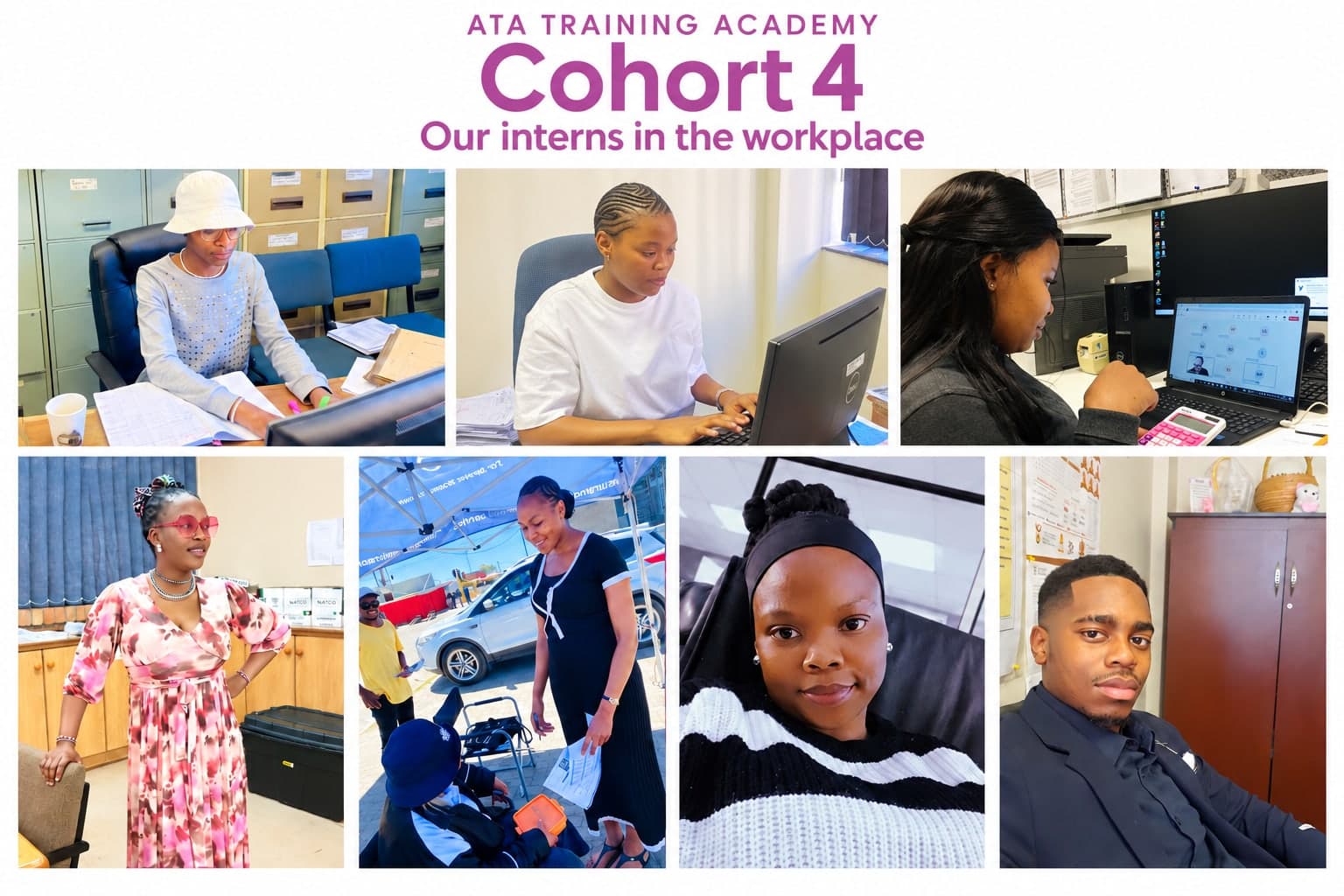
We work with commissioning organizations and programme partners to establish the activities, responsibilities, communication processes and records needed to manage the programme. The contracted scope can include mobilization, delivery coordination, training coordination and close-out support.
Recruitment and screening
We support recruitment against programme requirements, coordinate applications and documentation, and assist with screening and participant communication. This establishes a clearer starting point for onboarding and placement.
Host employer sourcing and engagement
We engage prospective host employers around placement opportunities, supervision arrangements and programme expectations. The aim is to connect learners with environments where relevant workplace exposure can take place.
Onboarding and orientation
We help participants understand the programme, their responsibilities, communication channels and workplace expectations. Employer engagement supports clarity on supervision, attendance, learner development and reporting requirements.
Placement coordination and learner support
We coordinate learner and employer communication, follow up on placement concerns and support the resolution of issues affecting participation. Where circumstances require it, this may include coordinating reallocation.
Administration monitoring and reporting
We coordinate programme records, track agreed deliverables and support reporting and invoice-document preparation within the contracted scope. We also support communication between the client, learners, employers, training partners and relevant stakeholders, including participation in SETA engagements where mandated.
Workplace development and group learning
Employability learning strengthens the placement experience by addressing communication, conduct, teamwork, self-management and other capabilities that influence workplace participation.
The ATA Employability Method™ provides a structured foundation for developing these capabilities across a cohort or team. Its three stages support learners preparing for work, navigating workplace relationships and developing greater judgement and responsibility.
The Method’s content supports digital learning, while facilitated development can be scoped around programme needs. We coordinate training and facilitator arrangements within the agreed assignment.


Support for host employers
Hosting an intern requires practical answers to several questions: What will this person work on? Who will guide them? How will progress be discussed? What should they be able to do by the end of the placement?
ATA engages employers around hosting responsibilities, learner integration, communication and workplace support. Clear expectations help both the learner and supervisor make better use of the placement period.
For a smaller business, the process can also reveal a need for clearer responsibilities, documented activities and more structured delegation. Where relevant, our business-development offering provides a separate route to discuss these needs.
Developing stronger programme systems
ATA’s next phase of digital development is focused on connecting more of the workforce-development journey, from candidate information and employer engagement to placement monitoring and reporting.
Development priorities include stronger digital content production, hybrid delivery capability and more integrated programme workflows. These priorities build on our existing implementation experience and learning content.
Discuss your programme
Tell us about your participants, delivery requirements, locations and intended outcomes. We will work with you to identify an appropriate scope of implementation and learner-development support.